

About Table Tennis
The story of table tennis begins long before anyone thought of placing a net across a dining-room table. Table tennis belongs to a much older family of racket-and-ball games which includes Badminton, Lawn Tennis and the ancient game of Tennis, also known as Jeu de Paume, "Real Tennis", "Court Tennis" or "Royal Tennis". The ITTF traces the ancestry of Table Tennis, Lawn Tennis and Badminton to this older family of games, with the recognizable development of Table Tennis following the enormous popularity of Lawn Tennis during the 1880s.
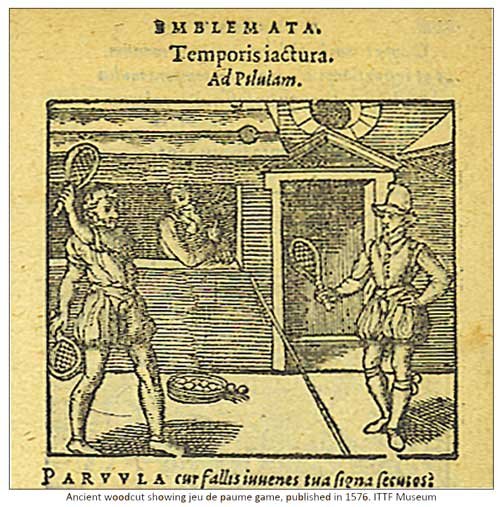
By the latter part of the 19th century, Lawn Tennis had become extremely popular in England. Not surprisingly, people began experimenting with ways of bringing the game indoors, often turning the dining-room table into an improvised tennis court. Contemporary accounts and later histories describe rows of books standing on edge across the table to serve as a net, with books or cigar-box lids used as makeshift rackets and rounded corks — sometimes said to have been cut from champagne bottles — used as balls. Rubber balls were also tried, although their lively and unpredictable bounce made them poorly suited to the game. What began as an ingenious Victorian social diversion would eventually develop into the distinct sport of Table Tennis.
"A little brandy for your Gossima, Sir?"
The idea of playing tennis on a table began appearing in patents and commercial games during the 1880s. In 1883, English sporting-goods maker Ralph Slazenger patented a net arrangement which specifically described a modified form of tennis that could be played indoors on a billiard or dining table. In 1885, James Devonshire applied for a patent for a game he called "Table Tennis", although the application was later abandoned and no example of his game is known to have survived.
The earliest surviving action game of tennis played on a table was patented in England by David Foster in 1890 as part of his set of "Parlour Table Games". It included a table version of Lawn Tennis using strung rackets, a rubber ball and nets. The following year, the London sporting-goods company Jaques introduced its own table game called Gossima.
Those early games were ingenious but had an important problem: the available balls didn't work particularly well. Rubber balls bounced too wildly while cork balls didn't bounce enough. That changed around 1900 with the introduction of the lightweight celluloid ball. It had much better playing characteristics and helped transform table tennis from an interesting novelty into a genuine craze.
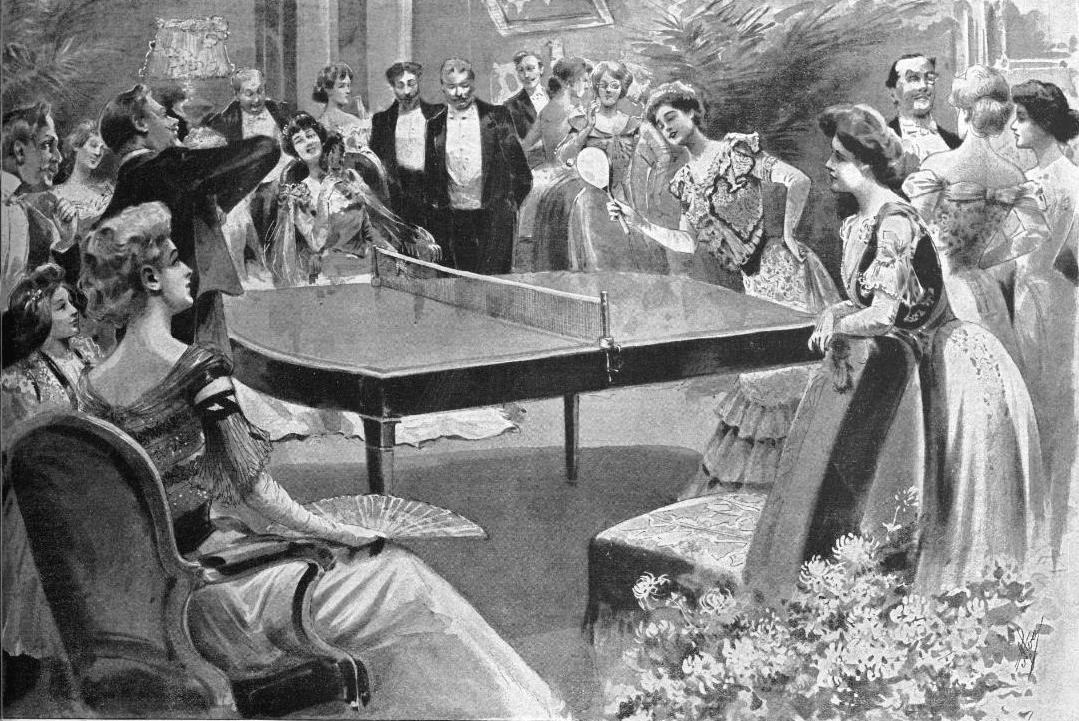
During this period the game was marketed under a remarkable variety of names, including "Gossima", "Ping-Pong", "Whiff-Whaff", "Parlour Tennis", "Indoor Tennis" and others. Of these, Ping-Pong and Table Tennis survived.
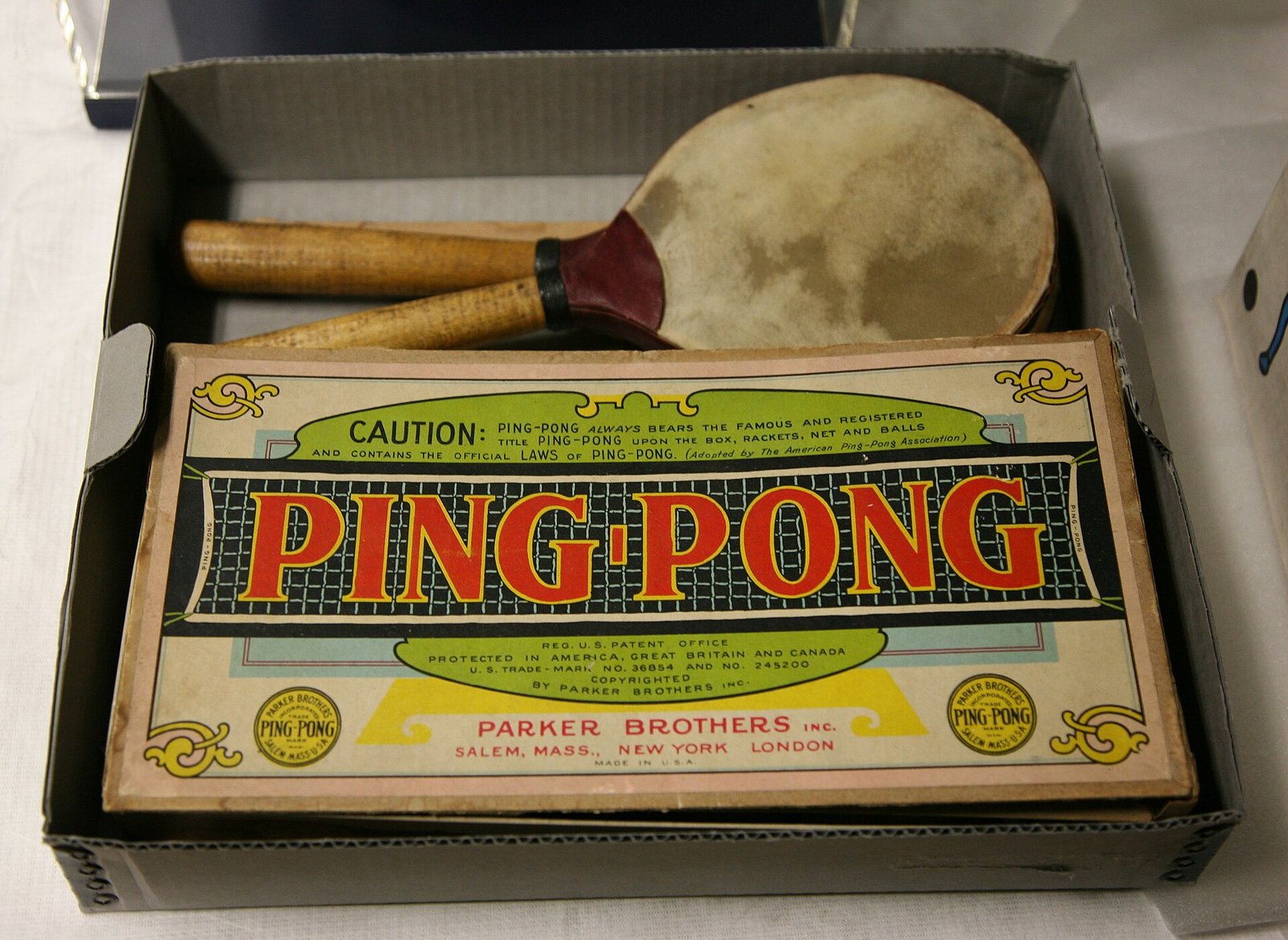
The name "Ping-Pong" became commercially protected and was closely associated with particular manufacturers and equipment. As the game developed into an organized competitive sport, the more generic name Table Tennis became preferable. To this day, don't be surprised if a serious table tennis player gives you a frown when you call their sport "ping-pong"!
From Parlour Game to International Sport
The first great enthusiasm for the game faded somewhat after the turn of the century, but table tennis experienced a strong revival in Europe during the early 1920s. As organized competition grew, so did the need for common rules.
A major milestone came in 1926, when the International Table Tennis Federation (ITTF) was established and the first World Table Tennis Championships were held in London. The ITTF adopted internationally standardized Laws of Table Tennis, providing the foundation for the sport we recognize today.
Early competitive table tennis could look very different from the modern game. Defensive play sometimes produced extraordinarily long rallies. At the 1936 World Championships in Prague, the opening point of one match lasted more than two hours! Rule changes followed, including lowering the net, introducing time limits and other measures intended to encourage more attacking play.
The Sponge-Rubber Revolution
For the first several decades, competitive table tennis was largely a "hard bat" game. That changed dramatically in the 1950s with the arrival of sponge-covered rackets.
At the 1952 World Championships in Bombay, Japan's Hiroji Satoh astonished opponents using a racket covered with relatively thick sponge and became the first non-European player to win the Men's Singles World Championship. Sponge technology allowed players to produce much more speed and spin and fundamentally changed the techniques and tactics of the sport.
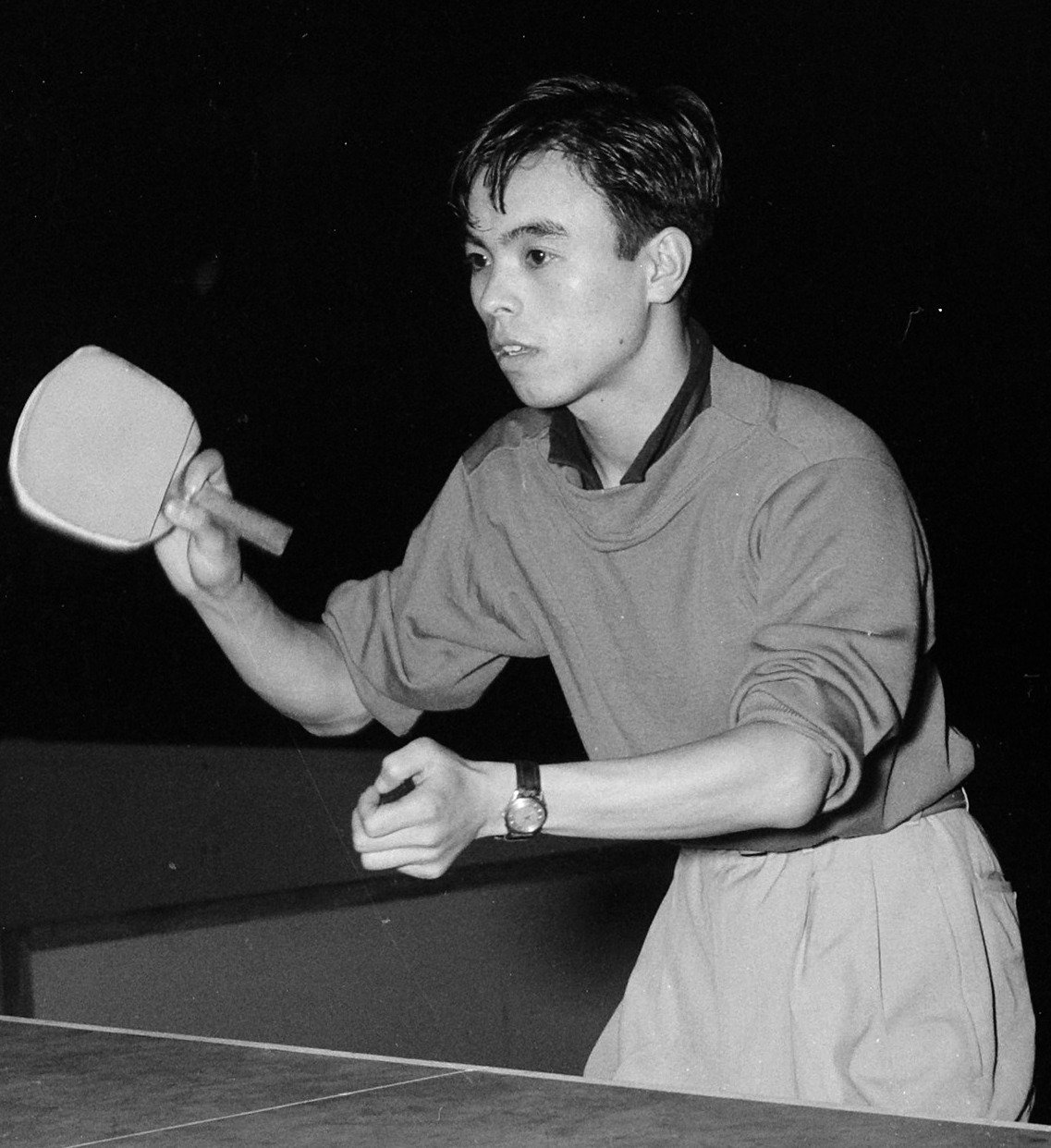
The new technology spread rapidly. By 1954 the Men's Singles World Championship final was played by two sponge-racket users, and equipment rules were subsequently tightened to control racket construction and thickness.
The 1950s also marked a major geographical shift in the sport. Japan emerged as a world power, followed by China and other Asian nations. China's Rong Guotuan won the Men's Singles World Championship in 1959, and over the following decades China would become the most successful nation in international table tennis. European players nevertheless continued to have major periods of success, most notably the powerful Swedish teams and players of the late 1980s and early 1990s.
When a Little Ball Helped Change World Politics
Table tennis even played an unexpected role in international diplomacy. During the 1971 World Championships in Nagoya, Japan, friendly contact developed between American and Chinese players. The U.S. team was subsequently invited to visit China, becoming the first American delegation to do so in many years.
The exchanges became known as "Ping-Pong Diplomacy" and helped create an opening in relations between China and the United States. President Richard Nixon visited China the following year. Few sports can claim such a memorable place in diplomatic history.
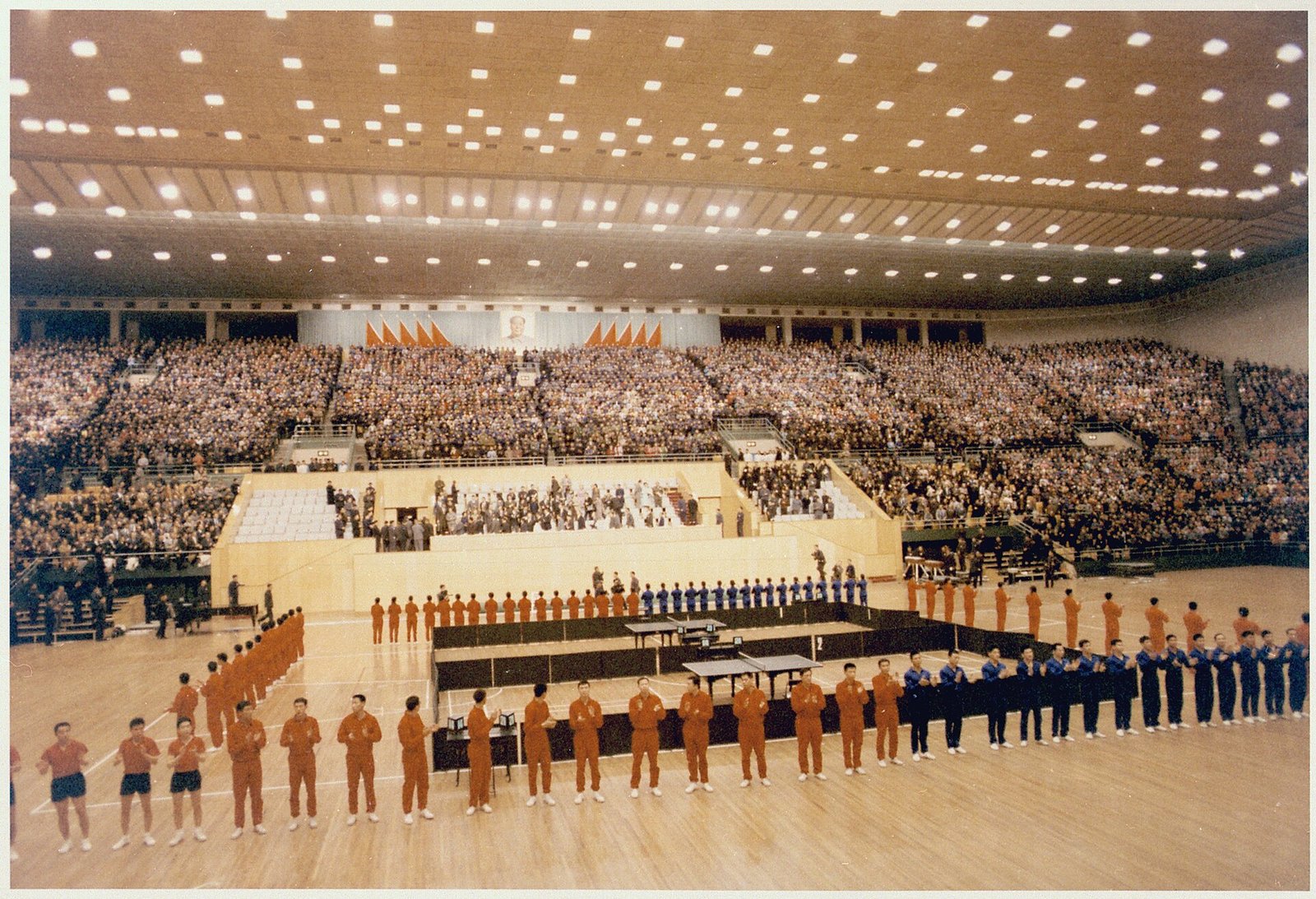
Table Tennis Becomes an Olympic Sport
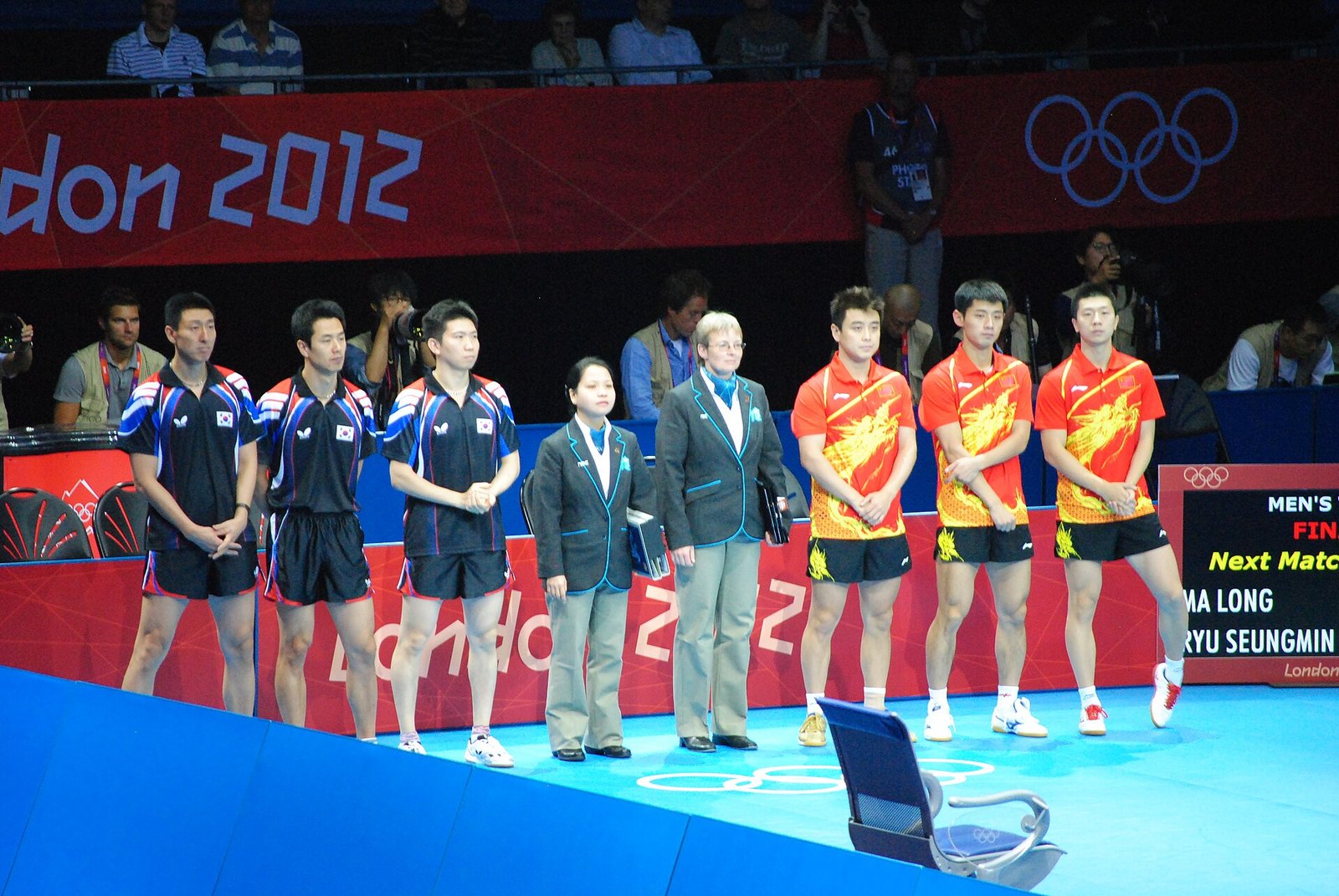
Another major milestone arrived at the 1988 Olympic Games in Seoul, where table tennis appeared as an Olympic medal sport for the first time. It has been part of every Summer Olympic Games since.
Olympic table tennis demonstrated to a much wider audience just how athletic the sport had become. At elite level, players combine extremely fast reactions with sophisticated footwork, explosive movement and the ability to read and produce enormous variations in speed and spin.
The Modern Game Continues to Evolve
Like most successful sports, table tennis has continued to change its rules and equipment as technology and playing styles have evolved.
In 2000, the official ball diameter was increased from 38 mm to 40 mm, partly to make the very fast modern game easier for spectators and television viewers to follow. In 2001, games changed from 21 points to today's 11-point format, with service changing every two points rather than every five.
Another major equipment change began in 2014, when international competition transitioned from the traditional celluloid ball to the modern plastic/polymer ball. Players and manufacturers again adapted their equipment and techniques to the new ball.
Through all of these changes, the essential attraction of the game has remained remarkably constant. A beginner can pick up a racket and start having fun within minutes, yet mastering the sport can take a lifetime. Table tennis can be recreational or fiercely competitive, physically demanding or simply social, and it can be enjoyed by players over an extraordinarily wide range of ages and abilities.
What began as an improvised Victorian parlour game has become a genuinely global sport — while still fitting neatly onto a 9 ft × 5 ft table.
References:
1. International Table Tennis Federation (ITTF) – History of Table Tennis
2. International Table Tennis Federation (ITTF) – Historical Documents and Museum
3. International Olympic Committee / Olympics.com – Table Tennis
5. Partie de Tennis de table en 1901, La Vie au grand air / Wikimedia Commons. Public domain.
6. Early Parker Brothers Ping-Pong equipment. Photo: Daniel Schwen / Wikimedia Commons. CC BY-SA 4.0.
7. Ichiro Ogimura, 1955. Nationaal Archief / Spaarnestad Photo / Wikimedia Commons. CC BY-SA 3.0 NL.
9. Men's Team table tennis final, London 2012. Photo: Joel Solomon / Wikimedia Commons. CC BY 2.0.